Home / Services / Crawl Space Insulation
Residential & Commercial
Crawl Space Insulation in Fremont, CA
Insulation, air sealing and moisture control for the crawl spaces under the East Bay's raised-foundation homes.
Crawl space insulation in Fremont is really a moisture job with an insulation component. A large share of the East Bay's older housing stock, the tract homes of Centerville, Irvington, Niles and Mission San Jose, sits on raised foundations with vented crawl spaces underneath. Winter rain wets the soil under those homes for months, and the moisture rises into the floor system. The result is familiar to anyone who owns an older home here: musty smells drifting up through the floor, cold floors from December through March and a damp feeling that the furnace never quite fixes. Fremont Spray Foam Insulation insulates and seals crawl spaces with that moisture pattern in mind, not just the temperature problem.
Winter rains and raised foundations
Foundation vents were meant to dry a crawl space, but in a Mediterranean climate they work on the wrong schedule. The space is wettest in winter, when the ground under the house is saturated and the vents admit damp, cool air that cannot dry anything. By the time summer arrives to dry things out, the framing has spent months in humid air. Bare earth releases ground moisture around the clock in every season, and older homes with cripple-wall foundations add a second problem: short stud walls between the foundation and the floor framing that leak air at every seam. These are the same cripple walls that seismic retrofit work braces and bolts, which is why crawl space insulation pairs so naturally with retrofit projects on Fremont's older housing stock.
Encapsulation versus insulating the floor
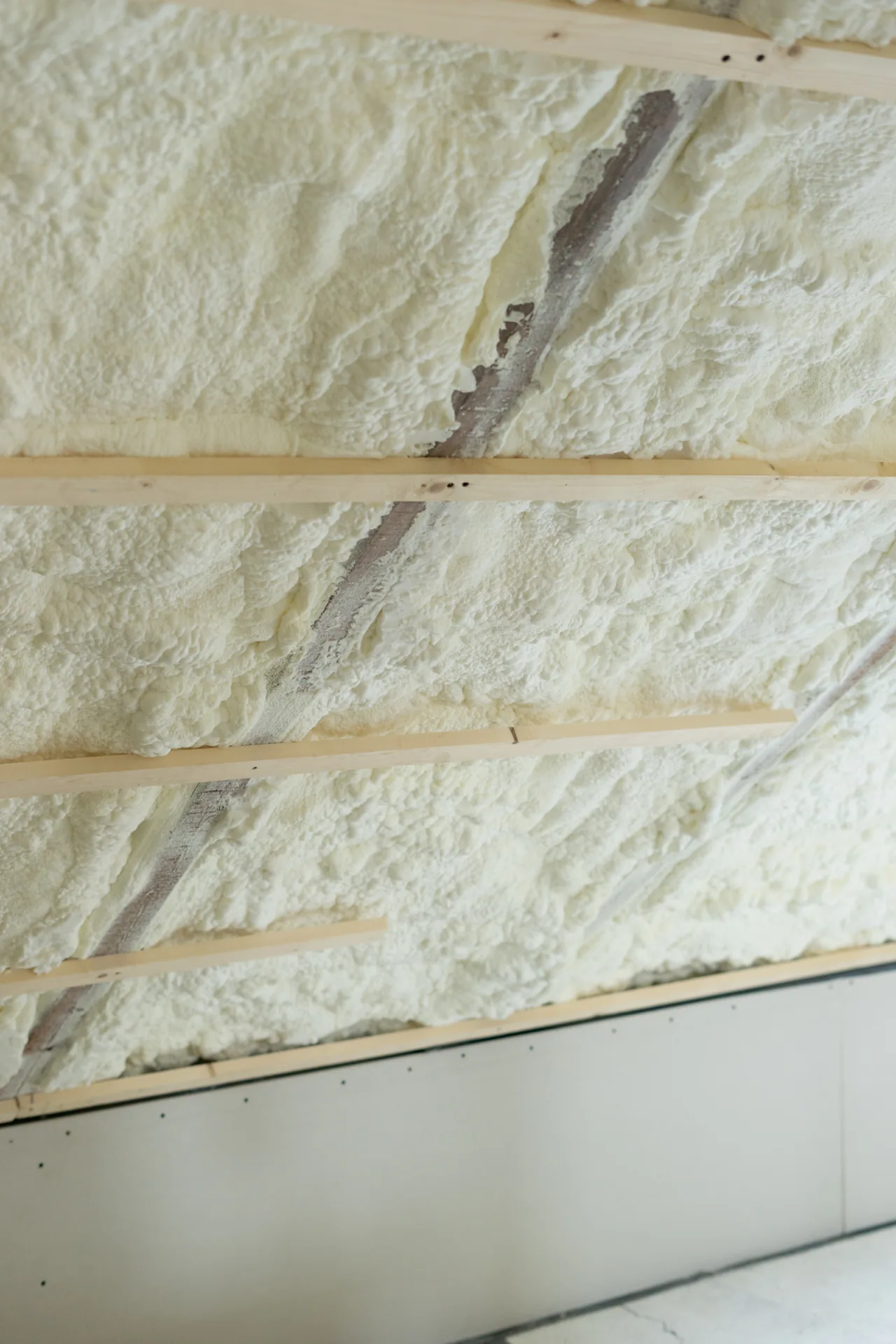
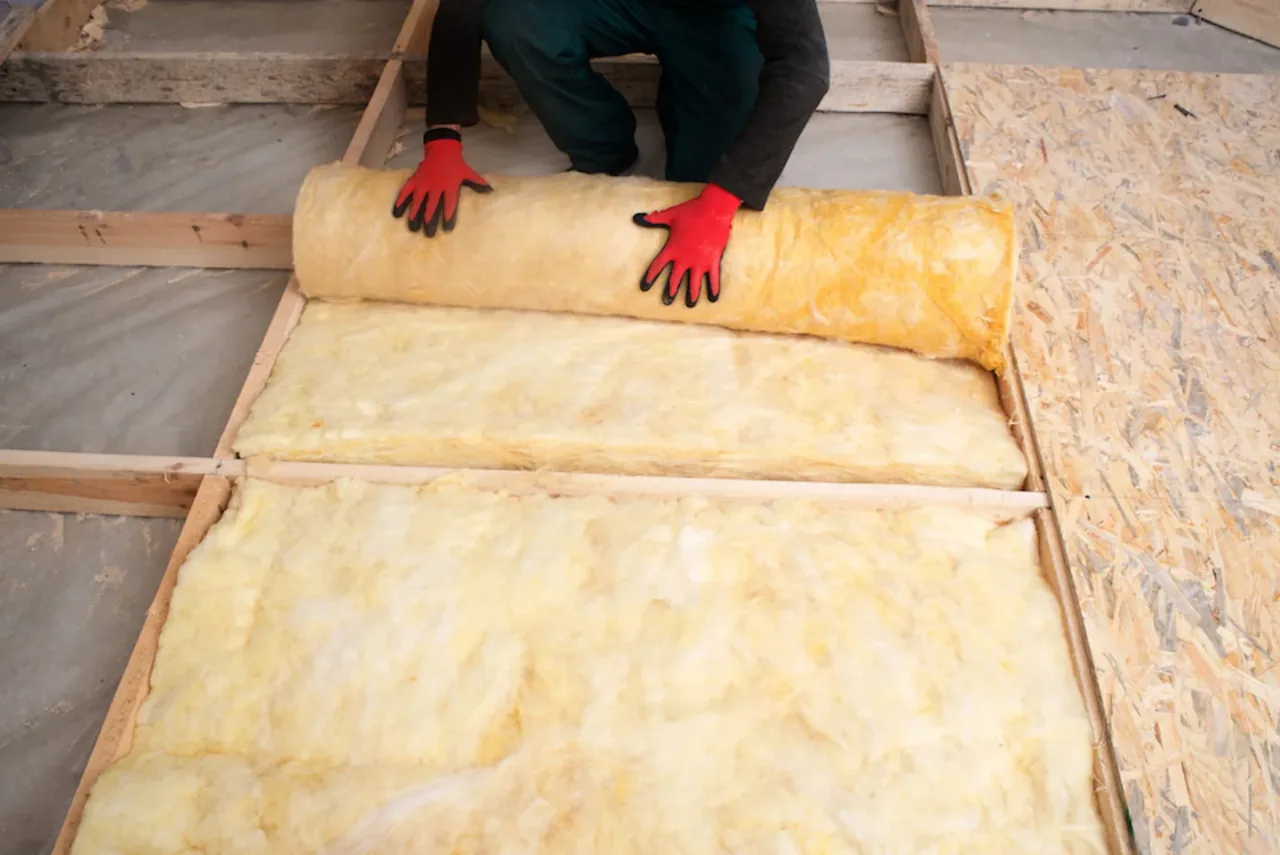
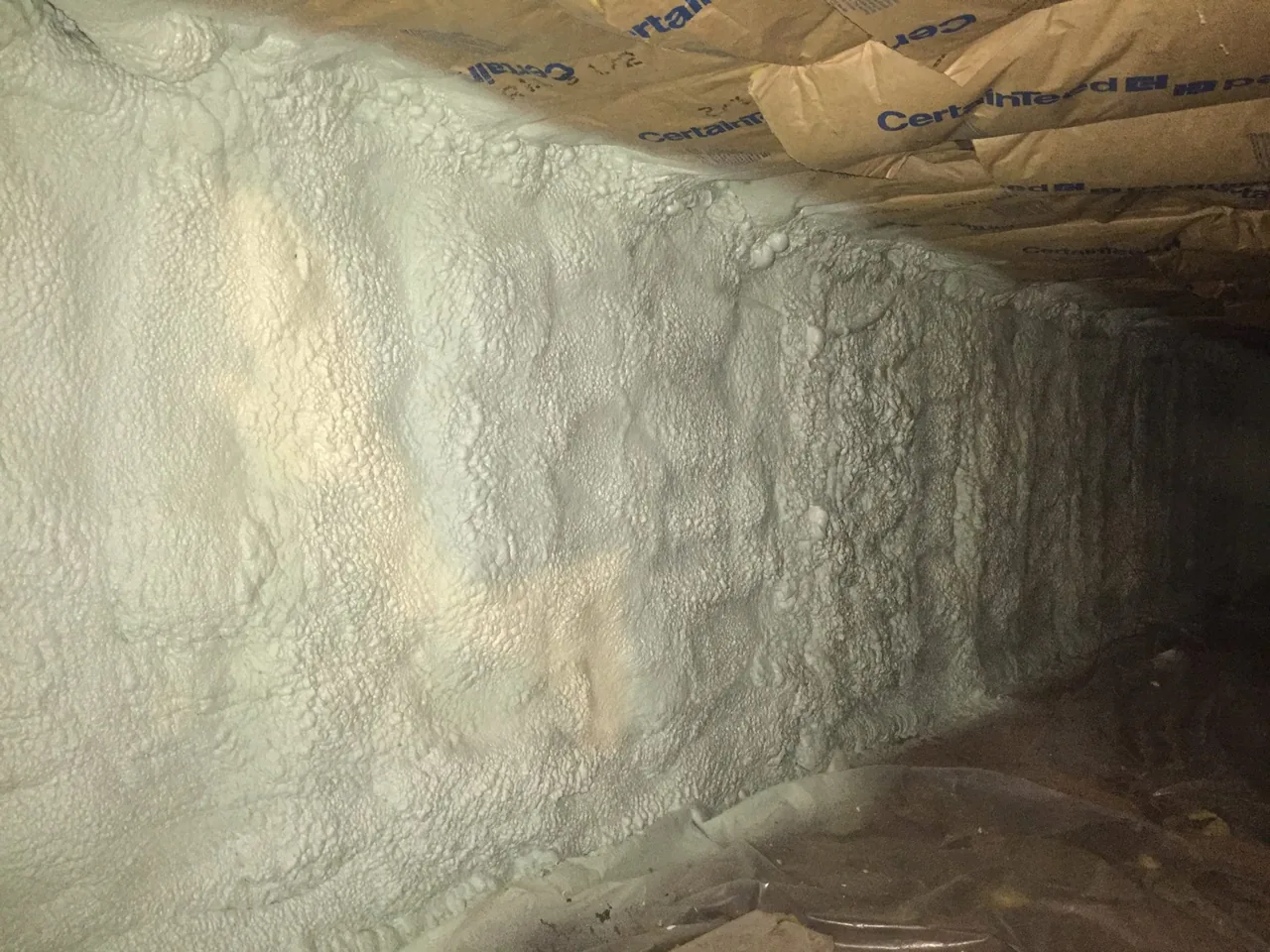
There are two legitimate ways to insulate a crawl space, and they solve different problems. Insulating between the floor joists with batts is the older approach: it slows heat loss into the crawl space but leaves the damp, vented environment below it untouched, and batts in damp crawl spaces sag, absorb moisture and fall out. Encapsulation flips the strategy. The ground gets a sealed vapor barrier, the vents and outside air leaks get closed, and the crawl space walls and rim joists get insulated, usually with closed-cell spray foam that insulates and resists moisture in one application. The crawl space becomes a dry, semi-conditioned part of the house. In Fremont's climate, encapsulation is the approach we recommend most often, and we explain the tradeoffs in the written estimate either way.
Rim joists: the leakiest part of the floor system
The rim joist band, where the floor framing meets the foundation, is full of gaps in older homes. Plumbing, wiring and the framing itself leave openings that pull damp air straight into the floor system. Spray foam is the right tool here because it expands into irregular cavities and air seals as it insulates. Sealing the rim joists is one of the highest-impact steps in any crawl space project, and it is included in the scope rather than treated as an extra.
What a crawl space estimate looks like
We go under the house before we quote anything. The inspection covers ground moisture and standing water history, the condition of existing insulation, signs of condensation on ducts and joists, vent count and the state of the rim joist band. You get a written scope naming the material, the thickness and whether the plan is floor insulation, encapsulation or a combination. Call 640-252-9383 or send the quote form to schedule. If the attic needs attention too, see our attic insulation page, and learn about our flagship material on the spray foam insulation page.
Questions
Common questions
Why does my crawl space smell musty after it rains?
Winter rain saturates the soil under the house, and bare ground releases that moisture into the crawl space air for months. Foundation vents admit more damp air rather than drying the space, so the smell builds until summer.
Encapsulation or floor insulation: which do I need?
If moisture, musty air or cold floors are the complaints, encapsulation with a ground vapor barrier and insulated walls addresses the cause. Floor insulation alone only slows heat transfer and leaves the damp environment in place. We inspect first and recommend based on what we find.
Do you seal the rim joists?
Yes. The rim joist band is one of the leakiest parts of an older floor system, and sealing it with spray foam is part of our crawl space scope, not an add-on.
Want to know what your crawl space project would cost?
We go under the house before we quote, so the written scope matches what is actually there.
Free written estimates • No obligation • Local team
Explore more