Home / Services / Blown-In Insulation
Residential & Commercial
Blown-In Insulation in Fremont, CA
Blown-in fiberglass and cellulose for attic floors and retrofit walls, installed to a measured depth across the East Bay.
Blown-in insulation is the workhorse of attic upgrades in Fremont. It flows over and around ceiling joists, wiring, duct chases and the odd framing details that make batt insulation leave gaps, and it installs fast enough to keep the project affordable on larger attic floors. Fremont Spray Foam Insulation installs both blown-in fiberglass and cellulose, and we recommend foam only when the assembly actually calls for it. Spray foam is our flagship, but an open, vented attic floor is often the place where blown-in material delivers the most improvement per dollar, which matters when every kilowatt-hour in the Bay Area carries a premium price.
Fiberglass or cellulose
Blown-in fiberglass is made from spun glass fibers, resists moisture absorption and holds its installed depth well over time. Cellulose is made from recycled paper treated for fire resistance, packs more densely and restricts air movement through the material better than fiberglass. Both are proven attic materials. Fiberglass tends to cost a bit more and settles less; cellulose covers irregular framing tightly and performs well at lower installed cost. We carry both and will tell you plainly which fits your attic and budget.
Depth is the job: R-value explained plainly
R-value is simply a measure of resistance to heat flow: the higher the number, the slower heat moves through the material. For blown-in products, R-value comes from depth, so an attic that needs a higher R-value needs more inches of material, full stop. That is why we install to a measured depth rather than by the bag count or the look of it. Depth markers go in across the attic so you can verify the coverage after the crew leaves, and the written estimate names the target depth before work starts. Under California's Title 24 standards and climate zone 3C guidance, attics call for substantially more depth than what most 1950s through 1980s Fremont tract homes were built with, and many newer homes meet only the minimum.
Top-ups of existing attics
If your attic already has insulation that has settled thin but is still dry and clean, a top-up adds new material over the old to bring the total depth to target. It is one of the most affordable comfort upgrades available for older East Bay homes. Before any top-up we check for two things: air leaks at the ceiling plane, which should be sealed first so the new depth actually performs, and moisture or pest damage in the existing material, which means removal instead of a top-up. Ventilation gets protected too, with baffles at the eaves so the soffit vents stay open under the new depth. See our attic insulation page for the full picture on attic assemblies.
Blown-in for retrofit walls
Postwar wood-frame homes across Fremont, Newark and Union City often have empty or underfilled wall cavities. Dense-pack blown-in cellulose or fiberglass can fill those walls through small, patchable holes, inside or out depending on the siding, without tearing the house apart. It is the standard retrofit method for walls that were never insulated, and it also helps dampen sound between rooms and from the street.
Get a measured, written quote
Every blown-in estimate names the material, the target depth and the square footage covered. Call 640-252-9383 or use the quote form to schedule a free attic or wall inspection anywhere in the East Bay, including Newark and Milpitas.
Questions
Common questions
Fiberglass or cellulose: which is better?
Both are solid attic materials. Fiberglass settles less and resists moisture absorption; cellulose packs tighter around framing and usually costs less installed. We install both and recommend based on your attic, not our inventory.
Does blown-in insulation settle over time?
All loose-fill products settle some, cellulose more than fiberglass. We account for settling in the installed depth so the settled result still meets the target R-value named in your estimate.
Can you blow insulation into my existing walls?
Yes. Dense-pack blown-in material fills closed wall cavities through small holes that are patched afterward. It is the standard way to insulate older East Bay homes without opening the walls up.
Want to know what your project would cost?
We measure the space and quote the material and depth in writing before any work is scheduled.
Free written estimates • No obligation • Local team
Explore more
Other insulation services
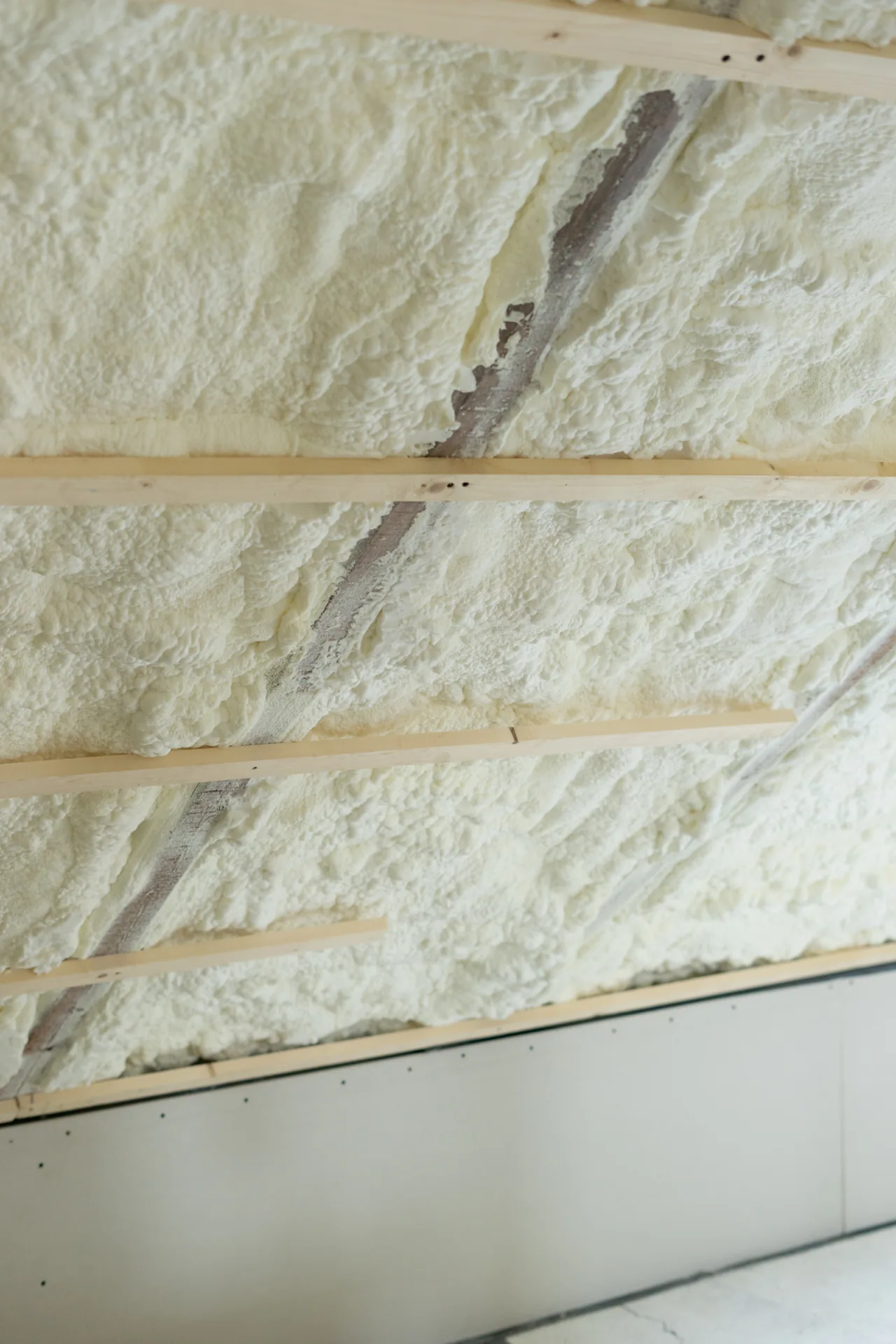 Attic InsulationFull attic upgrades: air sealing, ventilation protection and the right material at the floor or the roof deck.Explore service →
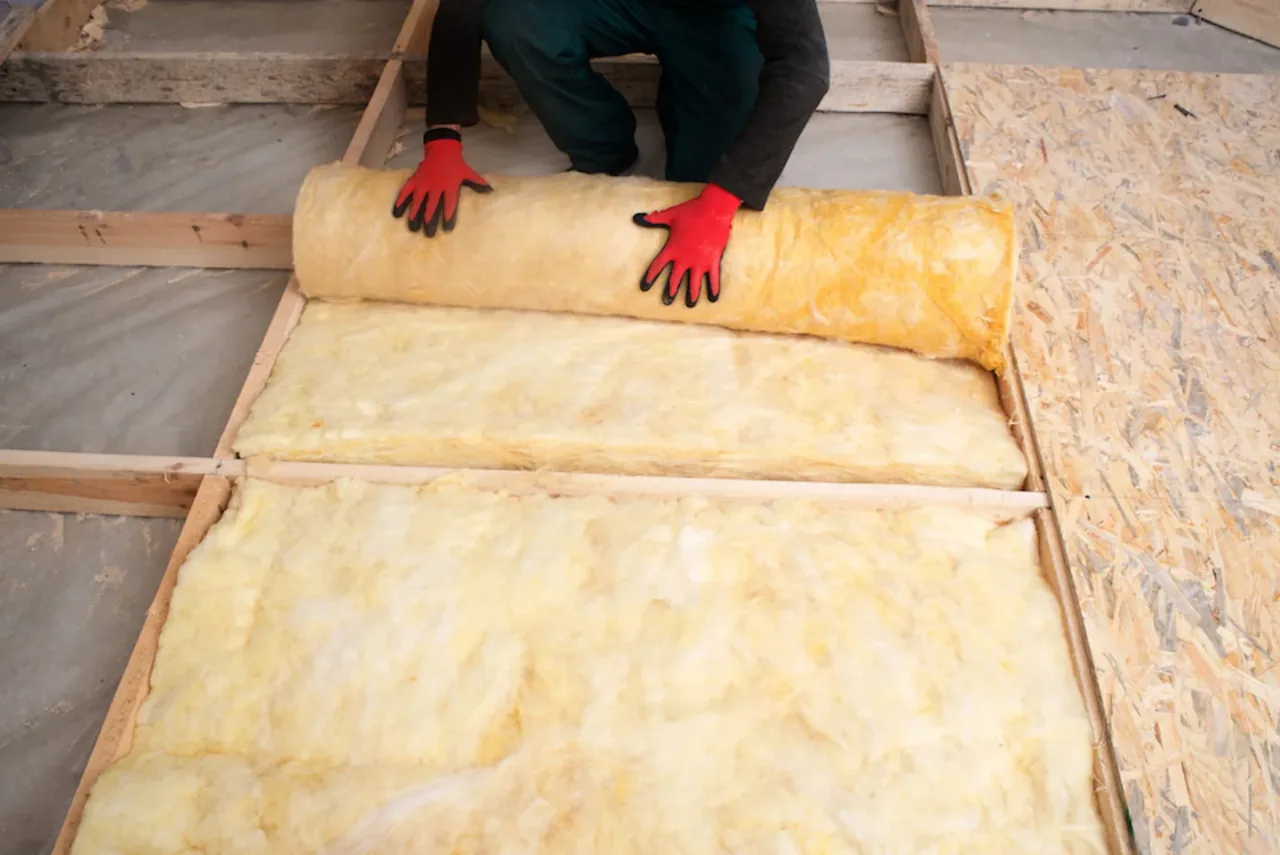 Spray Foam InsulationOpen-cell and closed-cell spray foam that insulates and air seals in one pass, for assemblies where foam is the right call.Explore service →